Your business. Your energy problem. A clearer next step.
Choose the operation or goal closest to yours. Farms, factories and industrial buyers face different resource, energy and delivery constraints. These pathways help organise your first questions without presuming a technology is suitable. You can change direction and save only the information you explicitly choose to retain.
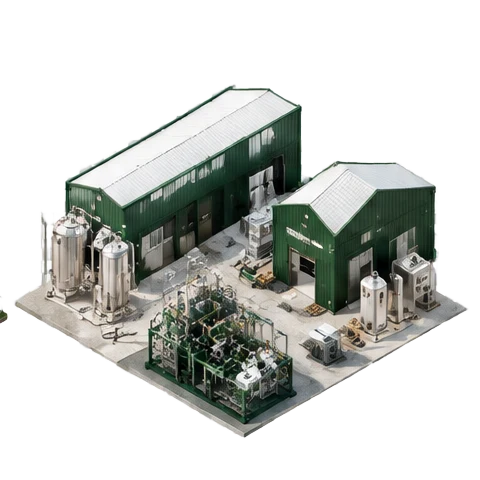
Choose your starting point
Select an industry or goal below. An initial qualitative assessment can begin without exact figures; numerical results require relevant inputs.
Frequently asked questions
Will my information be published?
No. Initial checks run privately. Saving a result is separate from requesting follow-up, and public listings require explicit consent and Admin review.
Does a first look guarantee savings, buyers or project approval?
No. Initial outputs organise your information and next questions. Engineering, contracts, approvals and funding require qualified review and separately agreed arrangements.
Can I start without exact figures?
Yes. A qualitative first look can identify the next questions without estimating output, prices or savings. Numerical tools require the stated inputs; leave unavailable evidence unknown.
Sources & References
- energy.gov.au, Australian Government: business energy management
Publication: Date not verified
Observation period: Not recorded
Relevant page / section: Claim-level locator not yet verified
Last link / title verification: Not verified
Verification incomplete, do not rely on this reference for an investment or approval decision.
Source metadata and claim-level evidence require verification.
- Australian Renewable Energy Agency (ARENA), Australia’s Bioenergy Roadmap Report
Publication: Date not verified
Observation period: Not recorded
Relevant page / section: Claim-level locator not yet verified
Last link / title verification: 2026-10-11
Publisher link checked; individual claims, costs and regulatory applicability still require review.
Check scope and current applicability before relying on this reference.
Choose the path closest to yours
Could your farm's energy bills or organic waste become an opportunity?
Some farms can reduce energy costs or recover useful energy from collected manure, effluent and other suitable material. Whether this makes financial sense depends on what can actually be collected, its quality, farm energy use, nearby customers and operating costs. Start with your operation and the problem you want to solve.
Explore This PathYour factory uses energy and creates by-products. Could the two work better together?
Food and beverage sites often use electricity for refrigeration and equipment, heat for washing or processing, and treatment systems for organic material or wastewater. Some opportunities involve improving efficiency; others involve recovering energy or supplying neighbours. The right first step is to compare your costs, available resources and operating schedule—not choose a machine.
Explore This PathIs your factory paying more for energy than it needs to?
The best energy option depends on when your factory runs, how much electricity or heat it needs, the temperatures required and the actual charges on its energy contracts. Before exploring renewable gas or self-generation, check baseline use, efficiency opportunities, equipment condition and possible supply arrangements.
Explore This PathPlanning green iron or metals production? Start with the supply your process actually needs.
Green-iron, steel and metals developments can require reliable electricity, high-temperature heat, fuels, hydrogen or other reductants depending on the process. The first question is not whether one type of bioenergy is universally suitable. It is what your facility needs by specification, volume, reliability, timing and delivered cost—and which realistic supply pathways merit detailed engineering review.
Explore This PathCould your wastewater or organics operation recover more useful energy?
Some wastewater and organic waste facilities already recover biogas; others may have resource recovery options worth investigating. Potential depends on actual treatment streams, existing infrastructure, contaminant handling, collection reliability, regulatory obligations and the markets for useful outputs.
Explore This PathAlready operate a biogas plant? What could your next commercial opportunity be?
Your best next investment may be an upgrade, a different gas outlet, improved operating performance, recovered CO₂—or none of these yet. It depends on measured production, gas composition, current use, spare capacity, upgrade cost and dependable demand. Start with what's actually happening at your facility.
Explore This PathHave the technology or project skills? Find the right Australian problem to solve.
A successful technology deployment starts with suitable resources, customers, project conditions and local delivery capability. Shelby is developing a structured way for project developers, equipment providers and engineering specialists to describe what they offer, which constraints matter and where real Australian demand deserves investigation.
Explore This PathCan your processing plant reduce heat costs and recover more value from residues?
Meat and dairy processing can involve substantial heat, refrigeration, wastewater treatment and organic residual streams. A credible opportunity depends on actual volumes, contaminant risks, thermal demand, processing shifts and existing treatment systems. Shelby helps organise those inputs and compare suitable options before equipment decisions.
Explore This PathCould nearby businesses solve an energy problem together?
Some opportunities are too small or too costly for one site but worth examining as a regional combination. Useful questions include where collectable materials are located, who needs the outputs, how much transport is required, whether a common site works and who would own or operate a project.
Explore This PathInterested in bioenergy investment? Start with project readiness, not promised returns.
Bioenergy assets can involve long-term feedstock arrangements, complex construction, operating risk, product qualification and customer contracts. Shelby helps organise preliminary technical and commercial evidence so qualified participants can assess whether a project warrants professional due diligence. The platform does not currently offer regulated investments, units or SMSF products.
Explore This Path