Could nearby businesses solve an energy problem together?
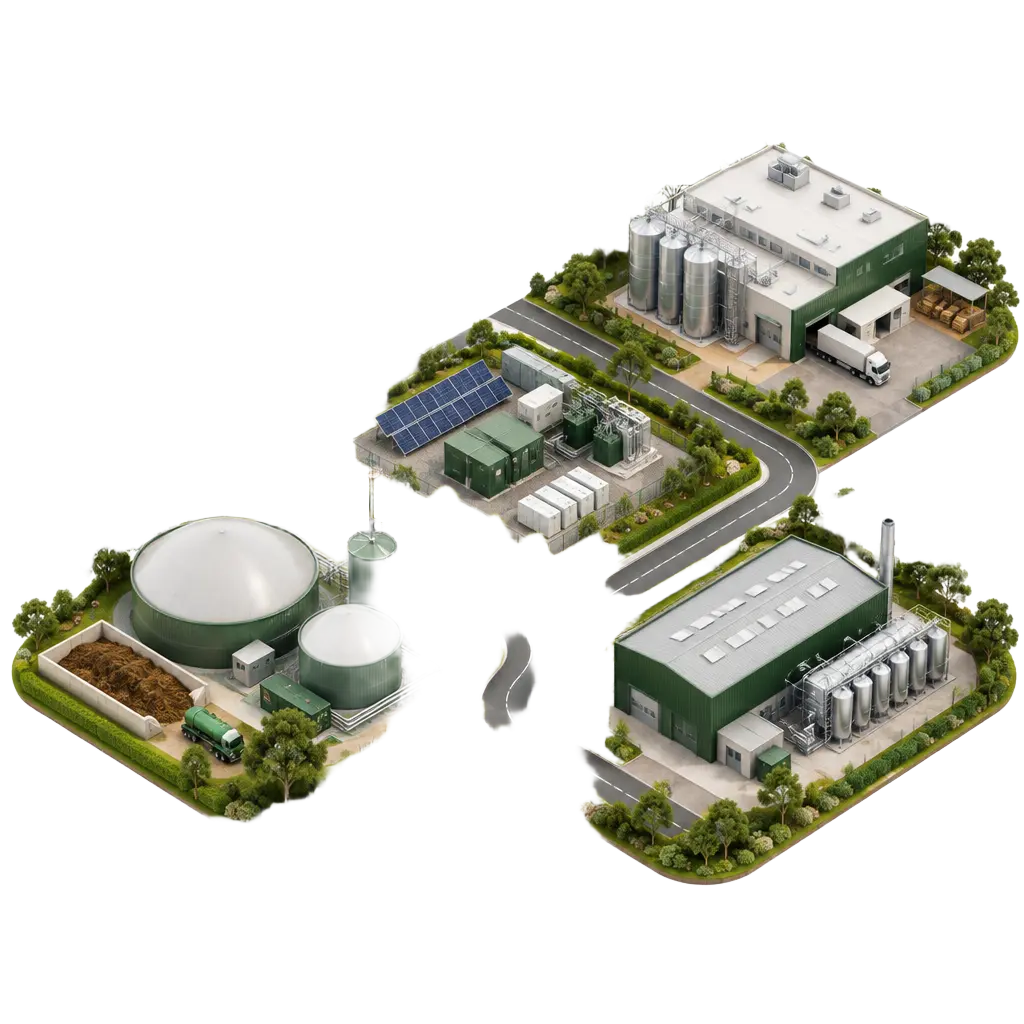
Some opportunities are too small or too costly for one site but worth examining as a regional combination. Useful questions include where collectable materials are located, who needs the outputs, how much transport is required, whether a common site works and who would own or operate a project.
A line on a map is not a commercial match
Regional opportunities require genuine contracts, compatible specifications, realistic transport, approvals and a responsible project leader. Shelby helps organise the evidence — it does not infer supply commitments from proximity.
What to check first
Postcode or region only, an indicative number of participating organisations, consented and anonymised resource and demand categories, practical transport constraints, approvals status and a project coordinator.
Typical pieces of a regional combination
- Resource mapping — where collectable materials actually are
- Industrial energy demand — who needs heat, gas, power or CO₂, and when
- Potential shared site — ownership, zoning and connection
- Logistics and connections — transport distances and infrastructure
- Council and community considerations — approvals, procurement and social licence
How the Explorer supports regional screening
The Australian Explorer shows approved public records with state, approximate region, verification and status. Regional opportunity layers are consent-controlled and labelled observed, self-reported, assessed or unknown — never inferred supply commitments.
Frequently asked questions
Can farms combine resources?
Possible, subject to logistics and commercial design. Transport, contracts and approvals decide whether a combination is credible.
Can councils publish regional information?
Only appropriately authorised public records.
Can a hub use existing plants?
Sometimes; spare capacity must be verified with the operator.
Sources & References
- energy.gov.au, Australian Government: business energy management
Publication: Date not verified
Observation period: Not recorded
Relevant page / section: Claim-level locator not yet verified
Last link / title verification: Not verified
Verification incomplete, do not rely on this reference for an investment or approval decision.
Source metadata and claim-level evidence require verification.
- Australian Renewable Energy Agency (ARENA), Australia’s Bioenergy Roadmap Report
Publication: Date not verified
Observation period: Not recorded
Relevant page / section: Claim-level locator not yet verified
Last link / title verification: 2026-10-11
Publisher link checked; individual claims, costs and regulatory applicability still require review.
Check scope and current applicability before relying on this reference.
Choose the path closest to yours
Which part of your operation needs attention?
- Resource mapping
- Industrial energy demand
- Potential shared site
- Logistics and connections
- Council and community considerations